Shamian Island Guangzhou: Complete Visitor Guide
Shamian Island is one of the most unique places in Guangzhou and one of the few areas where you can still see the city’s colonial history preserved in its architecture. With quiet tree-lined boulevards, European buildings, riverside views and a slower pace than the rest of the city, it offers a completely different side of Guangzhou.
What is Shamian Island?
Shamian Island is a small historic island in Liwan District and one of the most atmospheric places to visit in Guangzhou.
During the 19th century, Shamian became a foreign concession area, and many of the European-style buildings constructed during that period still remain today. Instead of the skyscrapers and large shopping centres that define much of modern Guangzhou, this part of the city feels quiet, shaded and architectural.
For visitors, that contrast is exactly what makes Shamian special. It is one of the best places in Guangzhou for a slower walk, for photography, and for seeing a side of the city that feels completely different from the modern commercial districts.
Why visit Shamian Island?
Shamian Island is worth visiting because it offers something that very few places in Guangzhou do: space to slow down. The island feels calmer, greener and more elegant than the city’s major shopping areas, and it is one of the easiest places in Guangzhou to enjoy on foot.
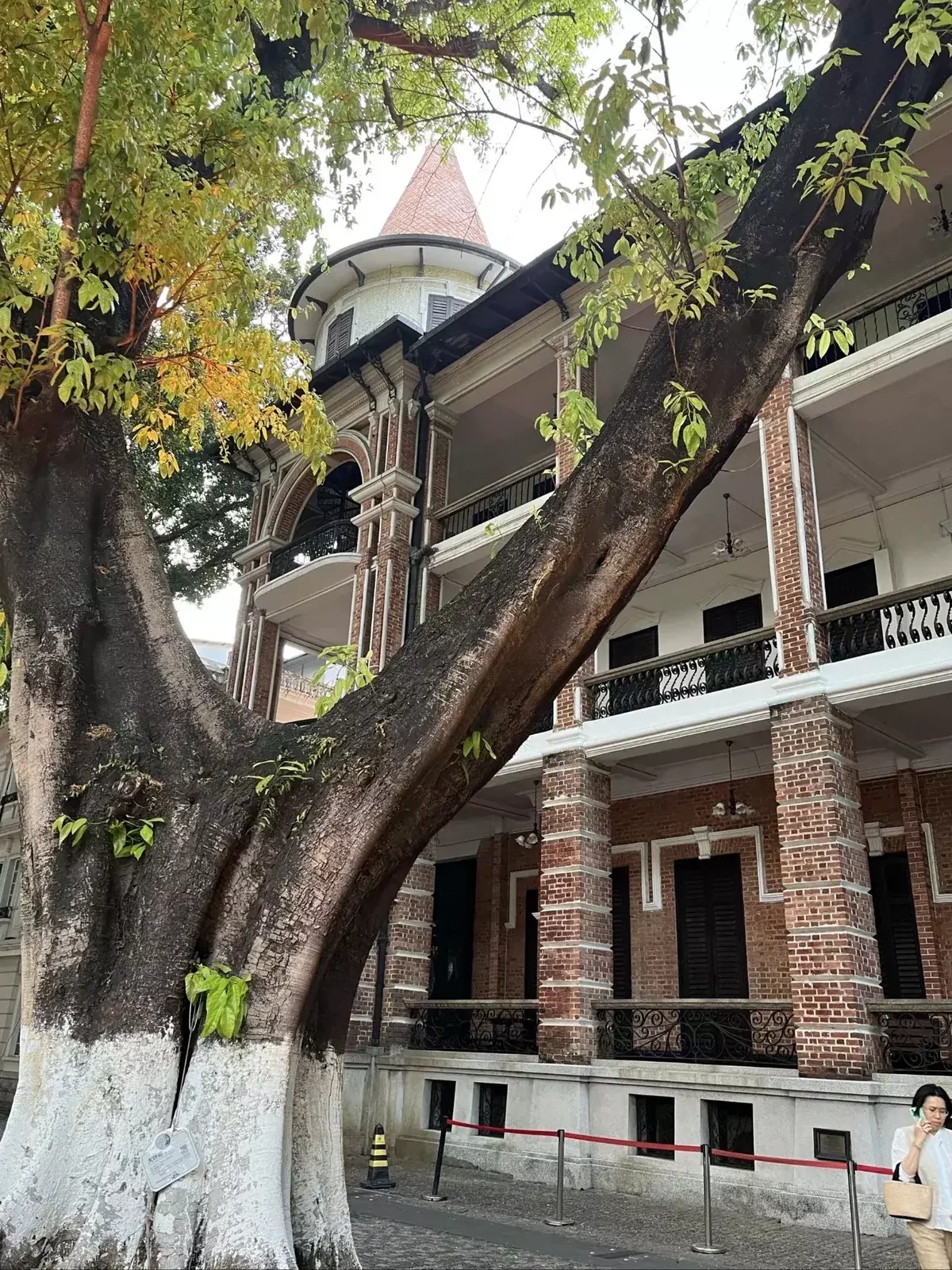
Colonial architecture, shady walking streets, riverside scenery, relaxed cafes, wedding photography spots, and easy access to Liwan’s other historic attractions.
Architecture
The island’s preserved facades make it one of the best historic architectural areas in Guangzhou.
Atmosphere
Compared with busier parts of the city, Shamian feels calm, open and far more relaxed.
Photography
It is one of Guangzhou’s most consistent photo locations for both casual visitors and professionals.
Best things to do on Shamian Island
Walk the island slowly
The best way to enjoy Shamian is to walk without rushing. The streets are compact, the island is easy to navigate, and much of its appeal comes from simply noticing the details: the old facades, ironwork balconies, large trees, and quiet corners that feel far removed from the rest of Guangzhou.
Visit the church
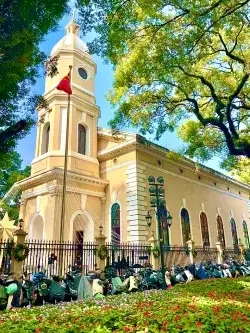
The Catholic church on Shamian is one of the island’s best-known landmarks and one of the easiest buildings to recognise. It adds to the area’s European character and is also one of the most popular places for photos.
Take photos of the architecture
Shamian Island is one of the few places in Guangzhou where architecture becomes the main attraction. It is common to see engagement shoots, wedding photography and casual portrait sessions taking place across the island.
Stop for coffee or a meal
Shamian is also a good place to sit down for coffee, especially if you want a break from more crowded commercial areas. While it is not Guangzhou’s main food district, it works very well as a scenic stop during a wider Liwan itinerary.
Best photo spots on Shamian Island
If you are visiting Shamian for photography, these are some of the strongest spots to prioritise:
1. Church square
One of the most popular photography spots on the island and usually the first place many visitors stop.
2. Tree-lined streets
The mature trees help frame the streets and soften the architecture, especially in morning light.
3. Historic mansion facades
Ideal for detail shots, portraits and wide architectural photos.
4. Riverside edges
Good for atmosphere shots and for capturing Shamian’s position within old Guangzhou.
Morning usually gives the cleanest light and fewer people. Late afternoon gives warmer tones and often a more romantic atmosphere.
Best cafes on Shamian Island
Shamian Island is not primarily a cafe district, but it is a good place to stop for coffee or a quieter meal. The main appeal here is the setting rather than fast-moving food culture.
Starbucks Shamian
One of the best-known familiar stops on the island, notable more for the location than for uniqueness.
Lucy’s
A long-running Shamian favourite, often mentioned by expats and travellers looking for a relaxed sit-down meal.
Independent cafe stops
Smaller venues on and around the island can be good for a slower break between sightseeing and photography.
A good approach is to treat Shamian as a coffee-and-walk destination rather than a full food crawl. For stronger food-focused itineraries, combine it with nearby Shangxiajiu or other Liwan areas.
Shamian Island history timeline
Understanding the island’s history helps explain why it feels so different from the rest of Guangzhou.
1850s–1860s
Shamian developed into a foreign concession area after the Opium War period.
Late 19th century
European-style buildings, churches, consulates and commercial structures were built across the island.
20th century
The political and commercial role of the island changed, but many of the buildings remained.
Modern era
Restoration and preservation helped transform Shamian into one of Guangzhou’s best-known heritage attractions.
How to get to Shamian Island
Shamian Island is in Liwan District and is relatively easy to reach by metro, taxi or ride app.
By metro
Huangsha Station is typically the most convenient metro stop for visiting the island. From there, the walk is manageable for most visitors.
By taxi or DiDi
Show the Chinese name 沙面岛. This is the easiest option if you want a more direct arrival.
Google Map of Shamian Island
Use the map below to get your bearings before you go. It is especially helpful if you want to combine Shamian with nearby Liwan attractions.
How to combine Shamian with a half-day Liwan itinerary
Shamian works best when paired with nearby historic and cultural areas. A strong half-day route could look like this:
Stop 1: Start on Shamian
Walk the island, take photos, and stop for a coffee while the streets are quieter.
Stop 2: Move toward Shangxiajiu
Shift from quiet heritage walking to food, shopping and old Guangzhou commercial energy.
Stop 3: Visit Yongqing Fang
This adds a more curated heritage-and-lifestyle experience to the day.
Stop 4: Finish with Chen Clan Academy
A strong cultural finish if you want architecture and history in one itinerary.
Shamian Island vs Beijing Road vs Shangxiajiu
These three areas are often compared by visitors, but they are best for different kinds of experiences.
| Area | Best for | Atmosphere |
|---|---|---|
| Shamian Island | History, architecture, photography | Relaxed, scenic, quiet |
| Beijing Road | Shopping, central convenience | Busy, modern, commercial |
| Shangxiajiu | Food, culture, traditional street life | Historic, lively, local |
Visitor tips for Shamian Island
Go in the morning
Morning is usually best for cleaner photography and fewer crowds.
Allow time to wander
Shamian is best enjoyed without rushing from one fixed point to the next.
Combine it with Liwan
The island becomes more valuable as part of a wider heritage-focused day.
Bring a camera
Even casual phone photography works well here because the island is naturally photogenic.
Frequently asked questions
Is Shamian Island worth visiting?
Yes. It is one of the best places in Guangzhou for architecture, photography, and a slower historic atmosphere.
How long should I spend on Shamian Island?
Most visitors should allow between one and three hours, depending on whether they also stop for coffee, photos or a meal.
Is Shamian Island free?
Yes. Walking around the island itself is free.
What is Shamian Island best known for?
It is best known for colonial-era architecture, tree-lined streets, riverside atmosphere and photography.