Best overall
MTR
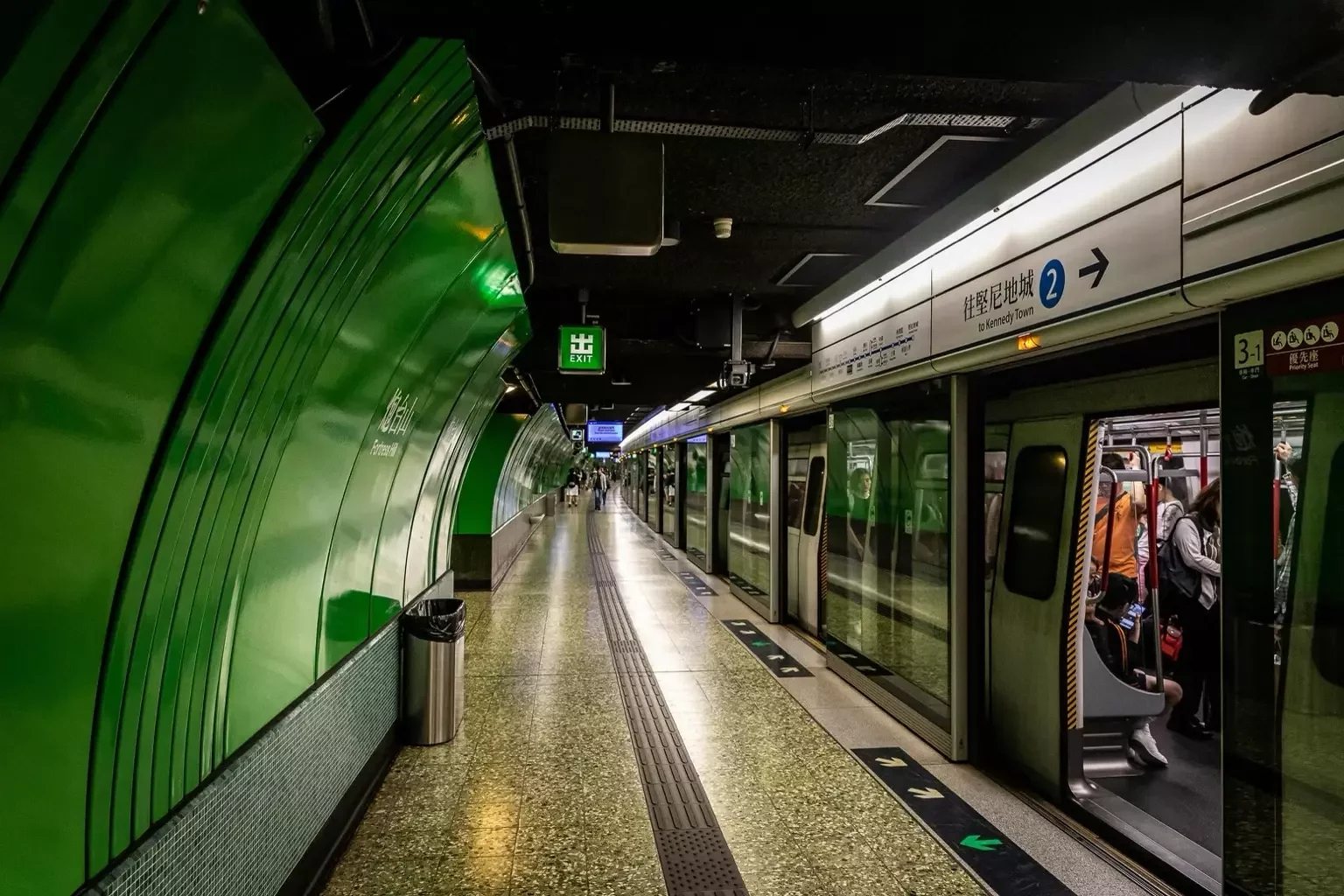
The easiest and most efficient way to get around most of Hong Kong. Best for daily city travel and first-time visitors.

A practical guide to the MTR, taxis, ferries, trams, buses, Airport Express and Octopus for getting around Hong Kong efficiently.
Hong Kong has one of the easiest urban transport systems in Asia for visitors to use. The main options are the MTR, buses, taxis, ferries and trams, with the Airport Express covering the airport route and Octopus making payment easier across the network. This guide helps you understand when to use each one and how to move around the city with less friction.
For most visitors, the MTR is the backbone of getting around Hong Kong. Taxis help when you want convenience, ferries are both practical and scenic, buses reach areas rail does not cover as directly, trams are a classic Hong Kong experience on the Island side, and the Airport Express is the dedicated fast link to the airport.
| Transport Type | Best For | Speed | Cost Level | Main Benefit |
|---|---|---|---|---|
| MTR | Most city travel | Fast | $ | Reliable, extensive and easy for visitors. |
| Taxi | Convenience and luggage | Fast to moderate | $$ | Door-to-door travel with minimal effort. |
| Ferry | Harbour crossings and scenic trips | Moderate | $ | Practical and one of the best-value city experiences. |
| Bus | Budget travel and more direct routes | Moderate | $ | Wide coverage and often useful district routing. |
| Tram | Hong Kong Island and classic local feel | Slower | $ | Cheap, iconic and enjoyable for short island hops. |
| Airport Express | Airport transfers | Fastest airport rail | $$ | Quickest dedicated train option between airport and city. |
Swipe sideways to view the full table on mobile.
If you are visiting Hong Kong for the first time, the simplest approach is to use the MTR for most of your movement, taxis when you are tired or carrying bags, and ferries or trams when they make sense for the experience as well as the route. Use the Airport to City guide for arrivals, and your Where to Stay in Hong Kong page to match your hotel location with the easiest transport setup.
The easiest and most efficient way to get around most of Hong Kong. Best for daily city travel and first-time visitors.
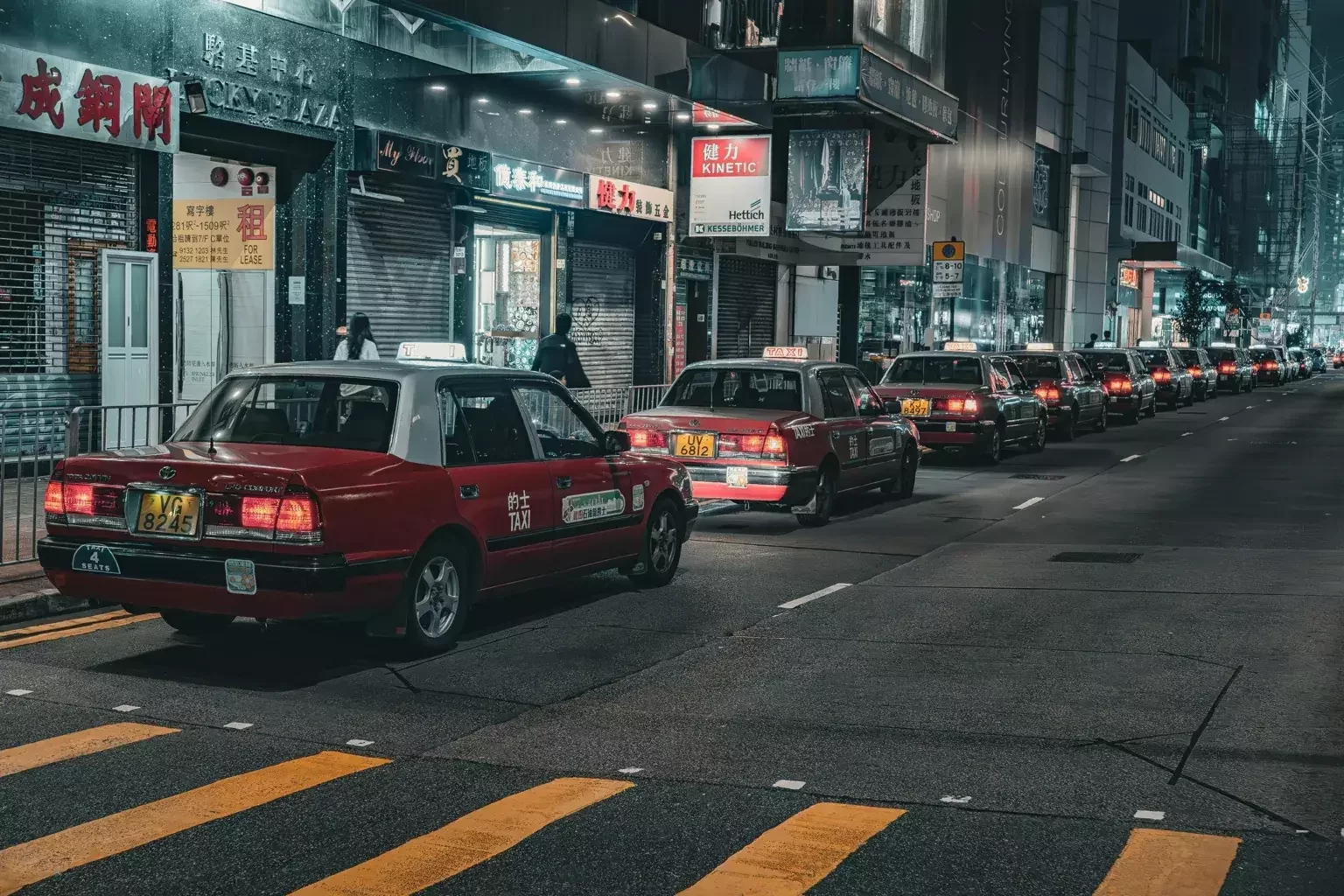
Ideal when you want door-to-door convenience, late-night transport or help with luggage.
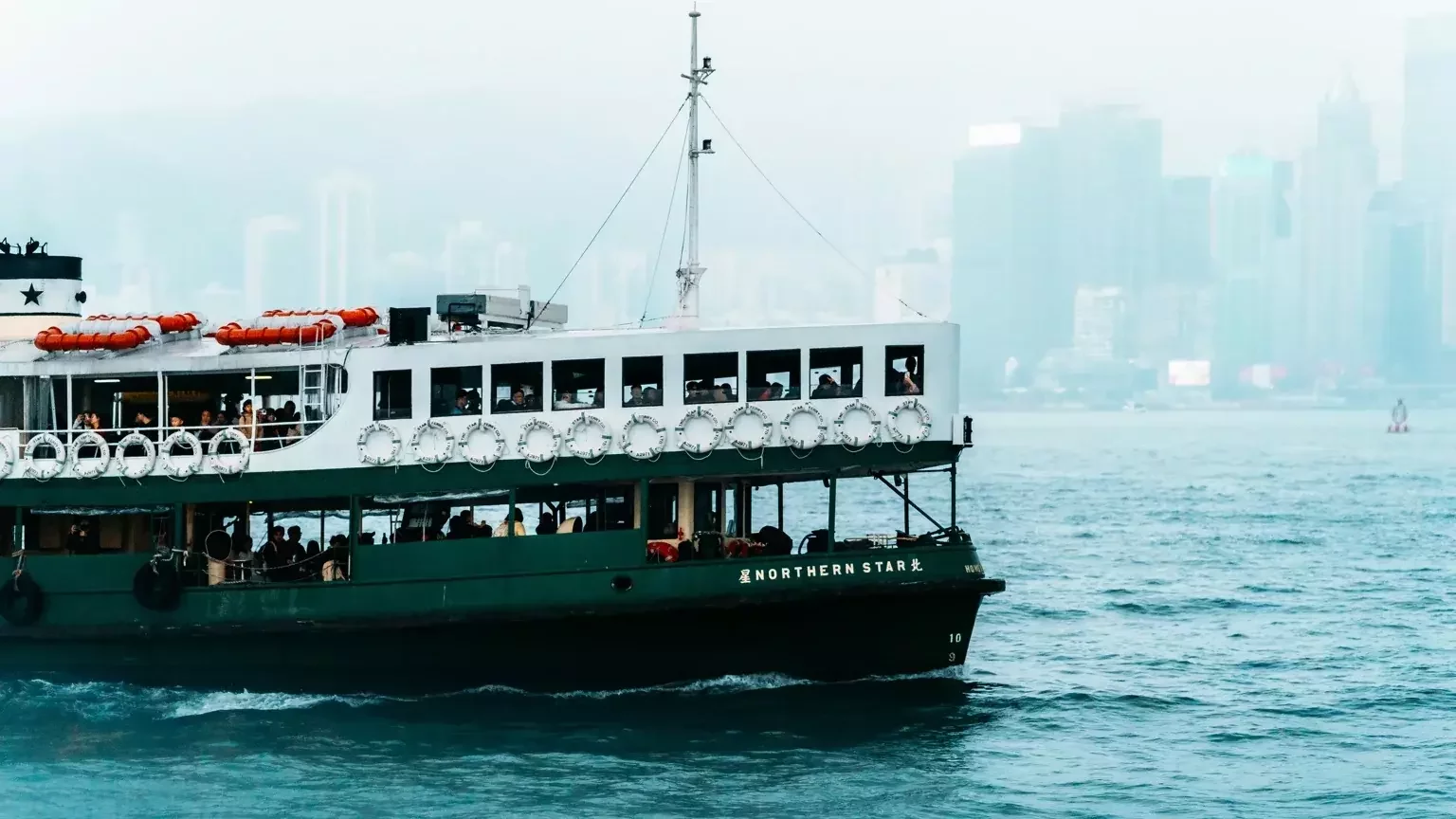
One of the best-value transport experiences in Hong Kong, especially for harbour crossings.
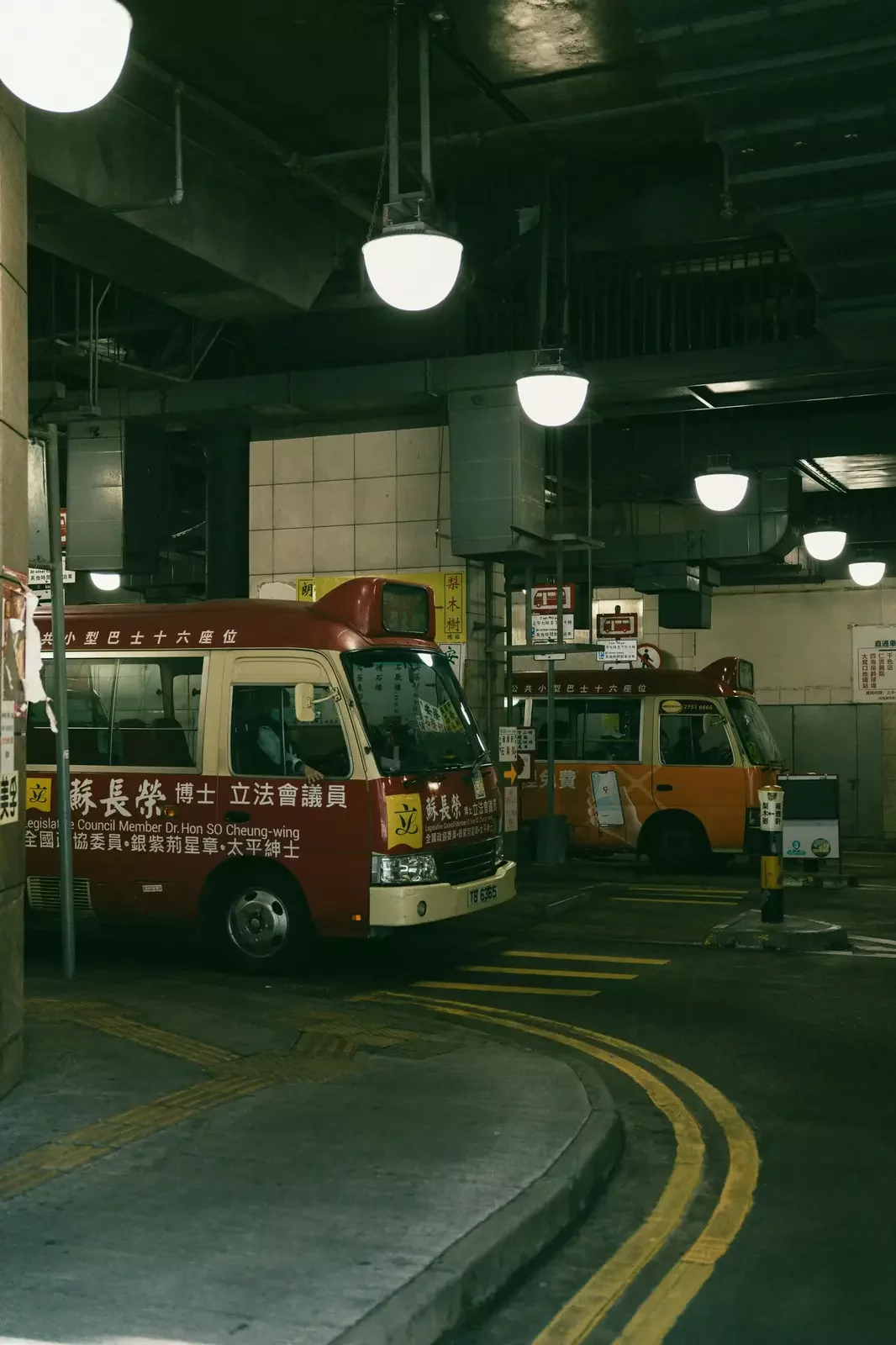
Good coverage and useful when you want cheaper travel or a direct route to specific districts.
Cheap, iconic and useful along the north side of Hong Kong Island, especially for shorter hops.
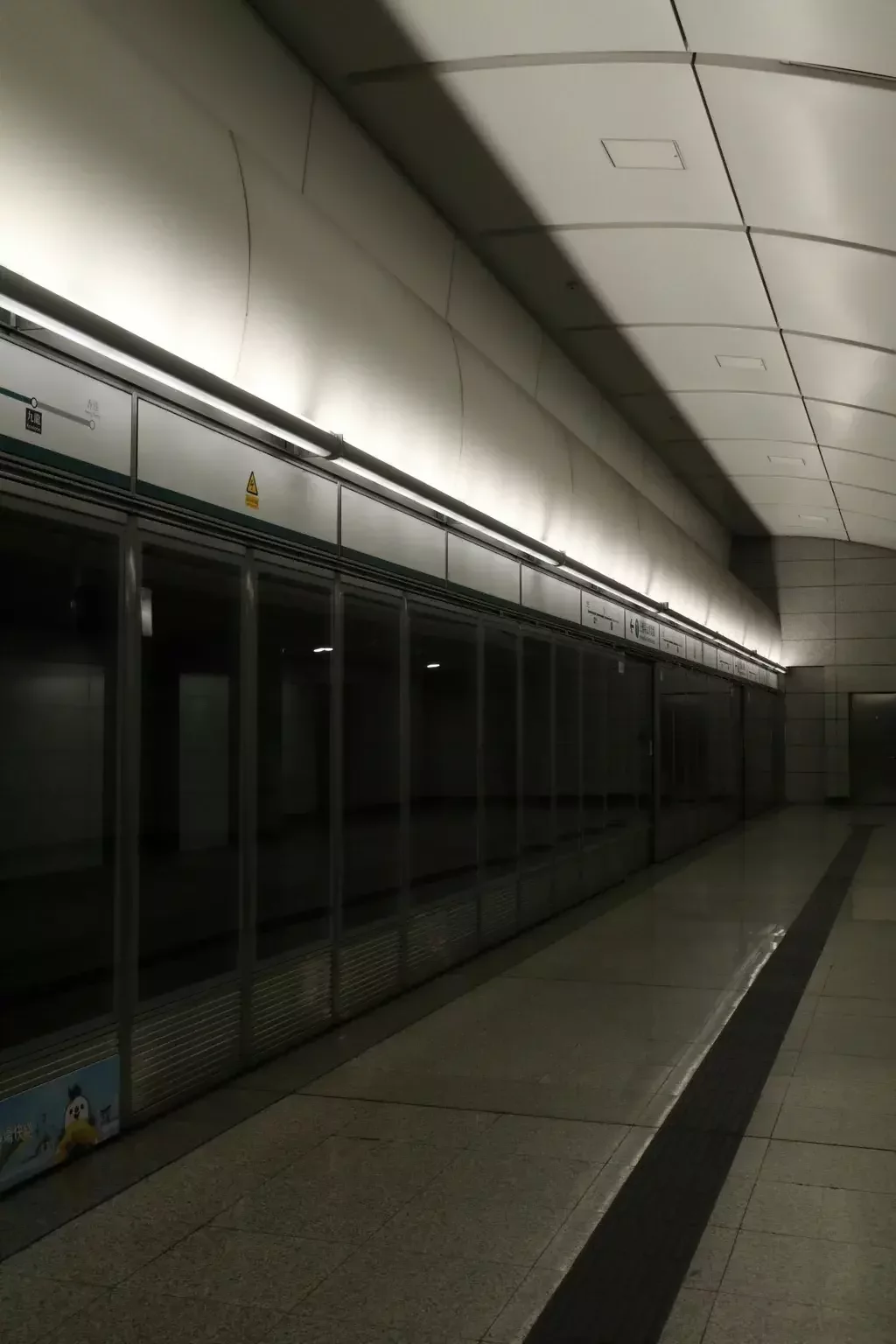
The dedicated fast airport rail service and the easiest option for many arrivals and departures.
The MTR is the transport mode most visitors will use the most. It is the backbone of the city and usually the fastest way to move between major areas like Central, Tsim Sha Tsui, Mong Kok and Causeway Bay. If you want the least complicated way to get around, start with the MTR and build from there.
It works especially well if your hotel is near a station, which is one reason why your hotel location matters so much in Hong Kong.
Taxis are easy to use and very helpful when convenience matters more than price. They are especially useful at night, with luggage, in wet weather, or when you do not want to change lines or walk from a station to your hotel.
They cost more than rail or bus, but for some journeys they save enough time and effort to be worthwhile.
Ferries are one of the most enjoyable ways to move around Hong Kong. They are practical for harbour crossings, but they are also part of the experience. If your route works by ferry, it is often worth considering even when another transport option exists.
This is one of the easiest ways to blend transport with sightseeing.
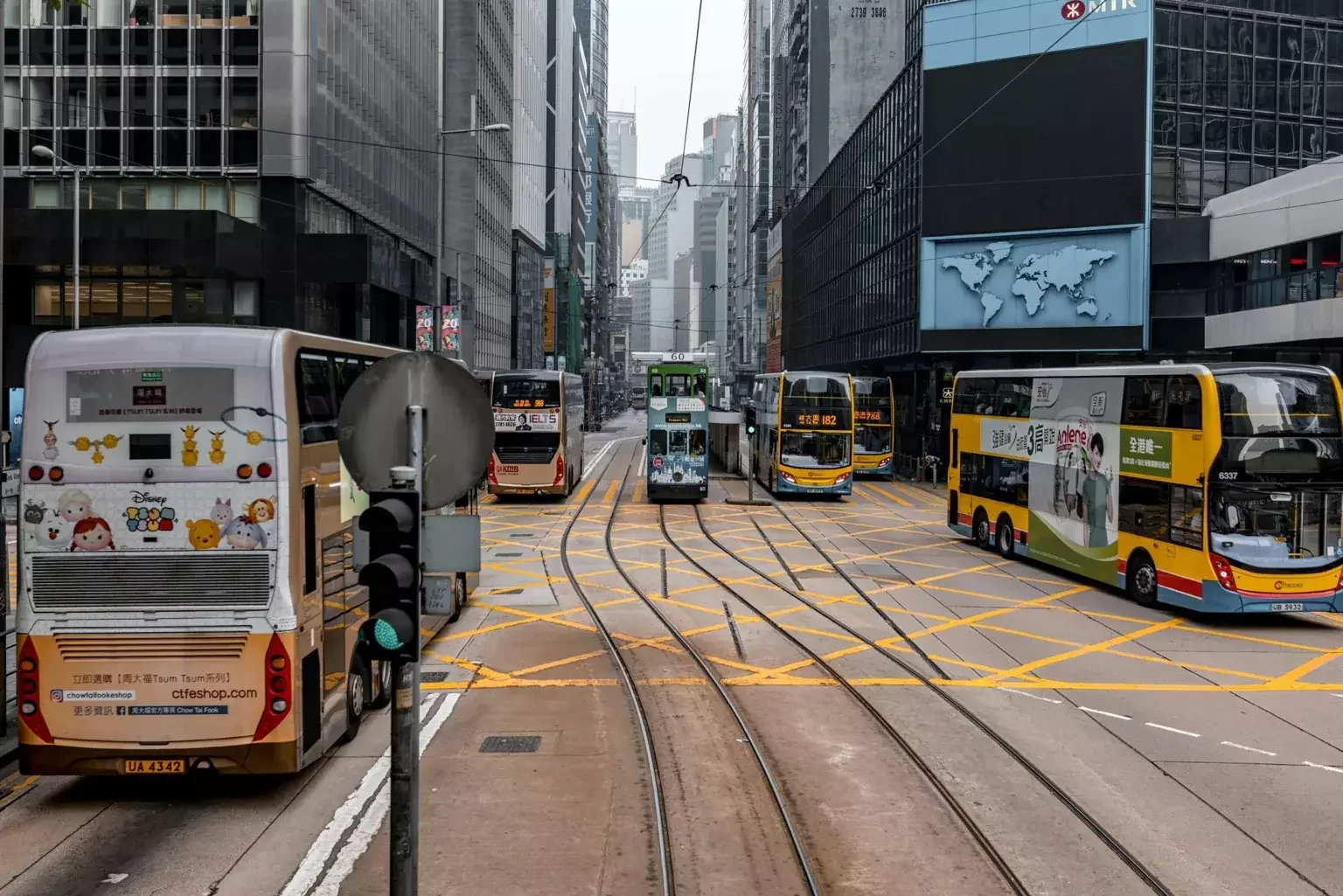
Buses in Hong Kong are useful because they cover a lot of ground and can sometimes give you a more direct trip than rail. They are also a good budget option and the double-decker format can be enjoyable for visitors who want to see more of the city as they move around.
If you are not in a hurry and want to spend less, buses are often a strong choice.
Hong Kong trams are one of the city’s most iconic transport experiences and are especially useful along the north side of Hong Kong Island. They are slower than the MTR, but that is not really the point. Trams are cheap, atmospheric and a good option when you want a low-stress way to move between nearby areas on the island.
They work well in places like Central, Wan Chai and Causeway Bay.
The Airport Express is the dedicated airport rail option and is usually the simplest way to move between the airport and the city. MTR describes it as the fastest airport route, with the journey taking as little as 24 minutes.
For a detailed arrival breakdown, use your Hong Kong Airport to City guide.
One of the easiest ways to make Hong Kong transport smoother is to use Octopus. The Hong Kong Tourism Board notes that Hong Kong offers convenient payment methods including Octopus, cash and e-wallets, and specifically says Octopus is accepted on all buses.
For most visitors, that makes Octopus one of the most useful everyday tools in the city.
This map helps you visualise the main central parts of Hong Kong where visitors most often rely on MTR, ferries, trams and taxis.
These are good official or practical starting points for visitors who want route basics, fare information or transport orientation.
For most visitors, the MTR is the best way to get around Hong Kong because it is fast, extensive and easy to use. Taxis, ferries, buses and trams are useful depending on where you are going.
Yes. Octopus is one of the most useful tools for visitors because it simplifies day-to-day transport payments across the city.
Yes. Taxis are widely available and especially useful for luggage, late-night travel and hotel drop-offs.
Yes. Ferries are both practical and scenic, while trams are a classic Hong Kong experience on the Island side and can be a cheap way to move around.